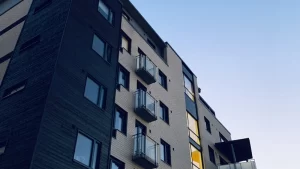

Buying new construction—whether a pre-construction condo or a new-build home—involves different mortgage processes than purchasing a resale property. Understanding these differences helps you avoid costly surprises and secure the right financing.
Types of New Construction Purchases
Pre-Construction Condo
Timeline: Purchase 1-4+ years before completion
Process:
- Sign agreement and pay deposits over time
- No mortgage needed until closing/occupancy
- Must qualify for mortgage when building completes
Builder New Home
Timeline: Purchase before or during construction, typically 6-18 months
Process:
- May use progress draw mortgage
- Or standard mortgage if home is near-complete
- Closing when construction completes
Custom Build (Your Land)
Timeline: Variable, typically 8-18 months
Process:
- Construction mortgage with progress draws
- Converts to regular mortgage on completion
- More complex underwriting
The Pre-Construction Deposit Structure
Typical deposit schedule for pre-construction condos:
| Timing | Amount | Cumulative |
|---|---|---|
| At signing | 5% | 5% |
| 30 days | 5% | 10% |
| 90 days | 5% | 15% |
| 180 days | 5% | 20% |
| Occupancy | Balance | Down payment |
Key risk: These deposits are typically non-refundable. If you can't qualify for a mortgage at closing, you may lose your deposits.
Start Planning Your New Build
Talk to our team about new construction financing well before your closing date approaches.
The Rate Lock Challenge
Most rate holds last 90-120 days. Pre-construction closings are often 2-4 years away. This creates challenges:
Strategies for Rate Protection
1. Extended Rate Holds
- Some lenders offer 6-12 month holds
- Usually at slightly higher rates
- Limited availability
2. Rate-Hold-On-Completion Programs
- Rate determined closer to closing
- Less certainty, but current market rate
- Standard approach
3. Accept Rate Risk
- Current rates may not be available at closing
- Budget for higher rates as contingency
- Rates could also be lower
Rate Change Impact
$500,000 mortgage, rates increase 1%:
- Payment increases ~$275/month
- You may qualify for less
- Budget accordingly
Progress Draw Mortgages (Custom Builds)
For custom construction on your own land:
How Draws Work
| Draw | Completion Stage | % of Loan |
|---|---|---|
| 1 | Land (if separate) | 15% |
| 2 | Foundation complete | 20% |
| 3 | Framing complete | 25% |
| 4 | Roof/windows/rough-ins | 20% |
| 5 | Final completion | 20% |
Percentages vary by lender and project
During Construction
- Interest-only payments on drawn amounts
- Inspector visits before each draw
- Builder must submit invoices/progress
On Completion
- Mortgage converts to standard amortizing mortgage
- Final inspection and occupancy permit required
- Regular P&I payments begin
Qualification Timing: The Critical Risk
Pre-Construction Risk
You must requalify at completion:
| What Could Change | Impact |
|---|---|
| Income decrease | May not qualify |
| Job loss | Major problem |
| Credit score drops | Higher rates or denial |
| Debt increases | Lower qualification |
| Interest rates rise | Qualify for less |
| Property doesn't appraise | Financing gap |
Protecting Yourself
- Conservative budgeting: Don't max out your qualification
- Job stability: Avoid career changes before closing
- Credit protection: No new debt, maintain payments
- Cash reserves: Have buffer for rate changes
- Contingency planning: What's Plan B if you can't close?
Occupancy vs. Final Closing (Condos)
Occupancy
- Builder allows you to move in
- Condo not yet registered
- You pay "occupancy fees" (like rent + taxes)
- No mortgage yet
Final Closing
- Condo registration complete
- Mortgage funds
- You take title ownership
- Can be months after occupancy
Plan for both dates when budgeting.
FAQ
Q: What if I can't qualify when it's time to close?
A: You may lose your deposits—potentially tens of thousands of dollars. Some developers may agree to extensions, but they're not obligated. This is the primary risk of pre-construction.
Q: Can I use my pre-construction purchase as collateral for another property?
A: Not until it closes and you have actual equity. During the pre-construction period, your deposits are with the developer, not as home equity.
Q: Do I need to be pre-approved before signing a pre-construction contract?
A: Not required, but strongly recommended. Pre-approval tells you what you can likely afford, though it doesn't guarantee future approval.
Q: What happens if the builder delays closing?
A: Delays are common. Your rate hold may expire, and you'll need to lock a new rate. Budget for this possibility.
Q: Can I assign my pre-construction contract to someone else?
A: Depends on the developer's terms. Many allow assignments (for a fee). Note that assignment profits are taxable income.
What's Next
New construction financing requires early planning. Connect with our team well before your anticipated closing date—ideally at least 6 months before—to ensure smooth financing.
Ready to Get Started?
Contact us today for personalized mortgage advice and competitive rates.